29 APR. 2025

2025 International Day of Immunology

News
International Day of immunology 2025

Today is the International Day of Immunology, ❤️ a special occasion to highlight the importance of immunology care.

✨ At LFB, we are committed to supporting patients living with immune diseases.
🚀 Every day, our teams are committed to patients battling with immune pathologies, be they severe, serious or even rare.

Together let’s continue to advance science and transform lives!

  • A vital contribution for people living with immune disorders

Have you ever heardabout ...

International Day of Immunology 2025 Since its creation, LFB has been dedicated to the field of immunology
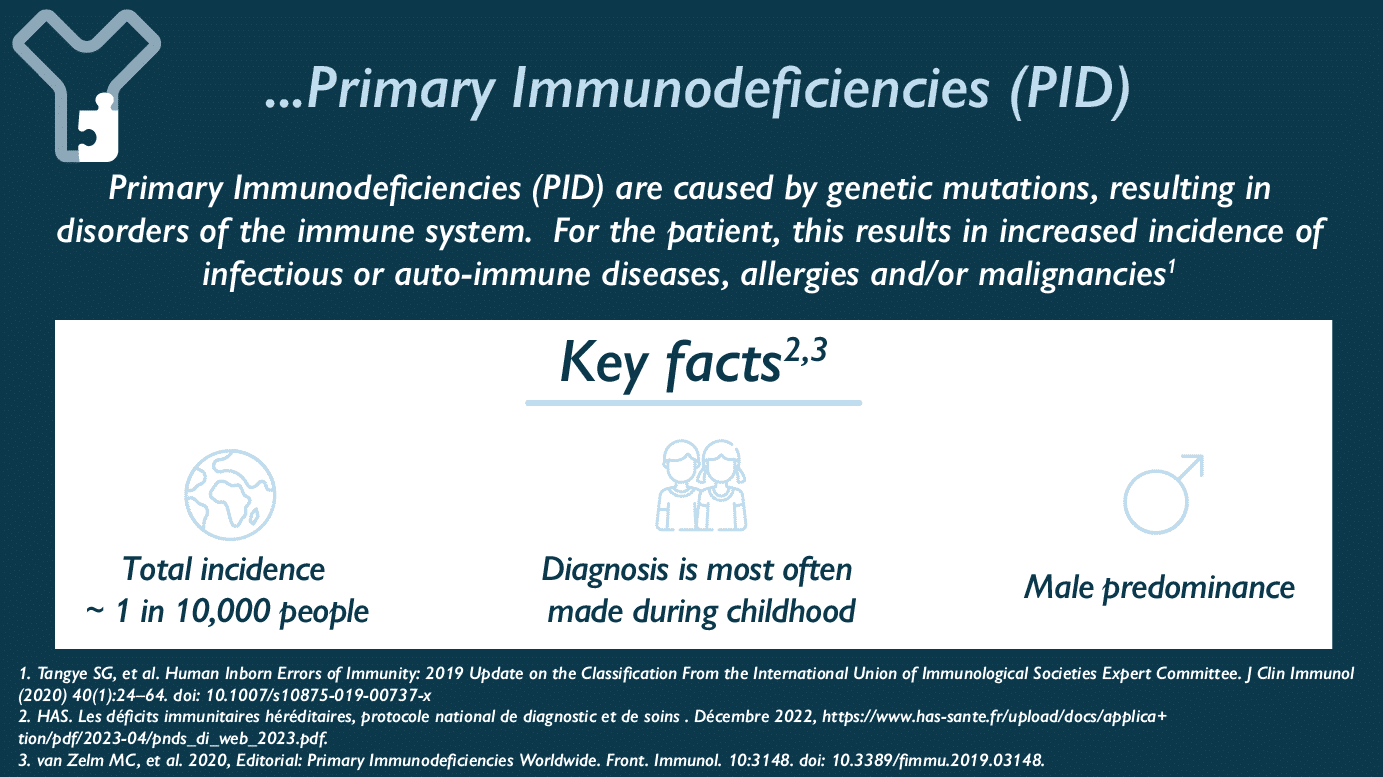
Primary Immunodeficiencies (PID) Primary Immunodeficiencies (PID) are caused by genetic mutations, resulting in disorders of the immune system. For the patient, this results in increased incidence of infectious or auto-immune diseases, allergies and/or malignancies. Key Facts : - Total incidence ~ 1 in 10,000 people - Diagnosis is most often made during childhood - Male predominance
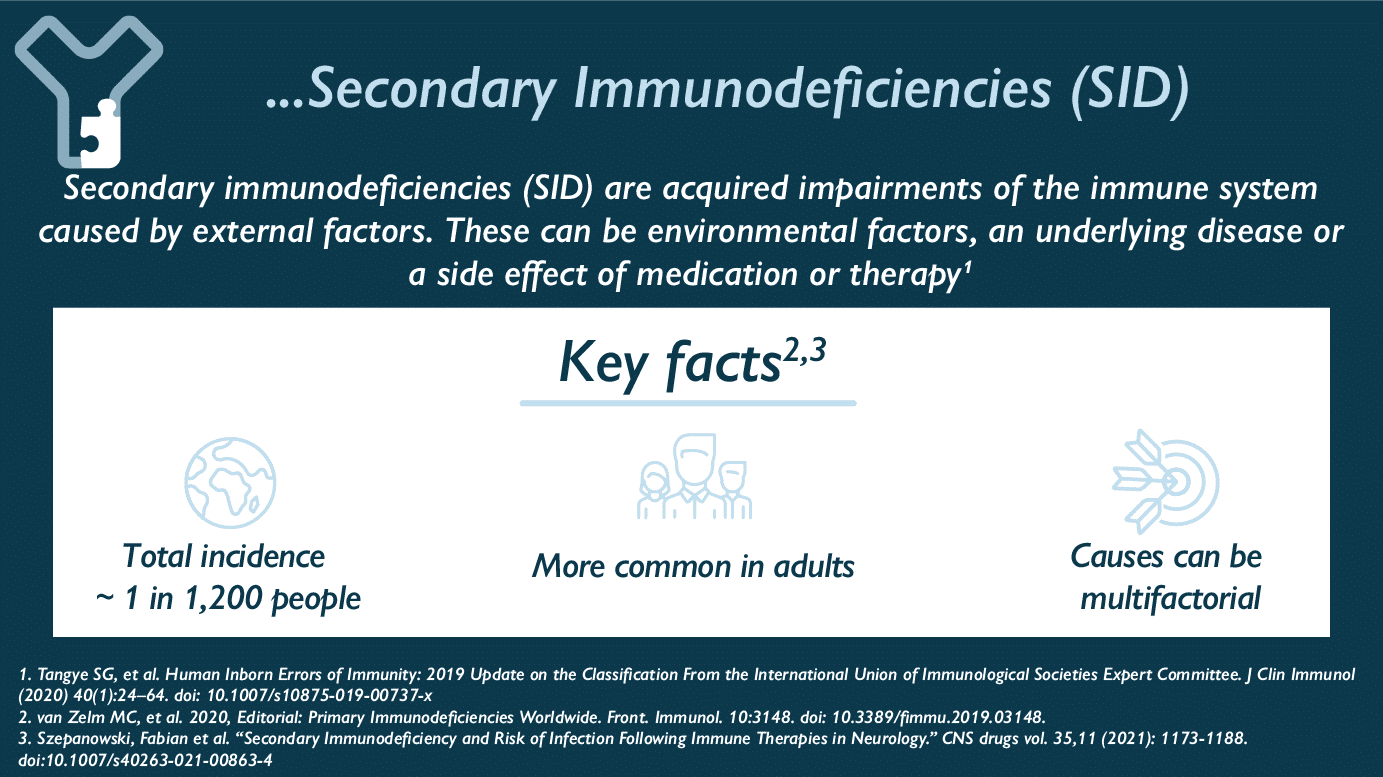
Secondary Immunodeficiencies (SID) Secondary immunodeficiencies (SID) are acquired impairments of the immune system caused by external factors. These can be environmental factors, an underlying disease or a side effect of medication or therapy. Key Facts : - Total incidence ~ 1 in 1,200 people - More common in adults -Causes can be multifactorial
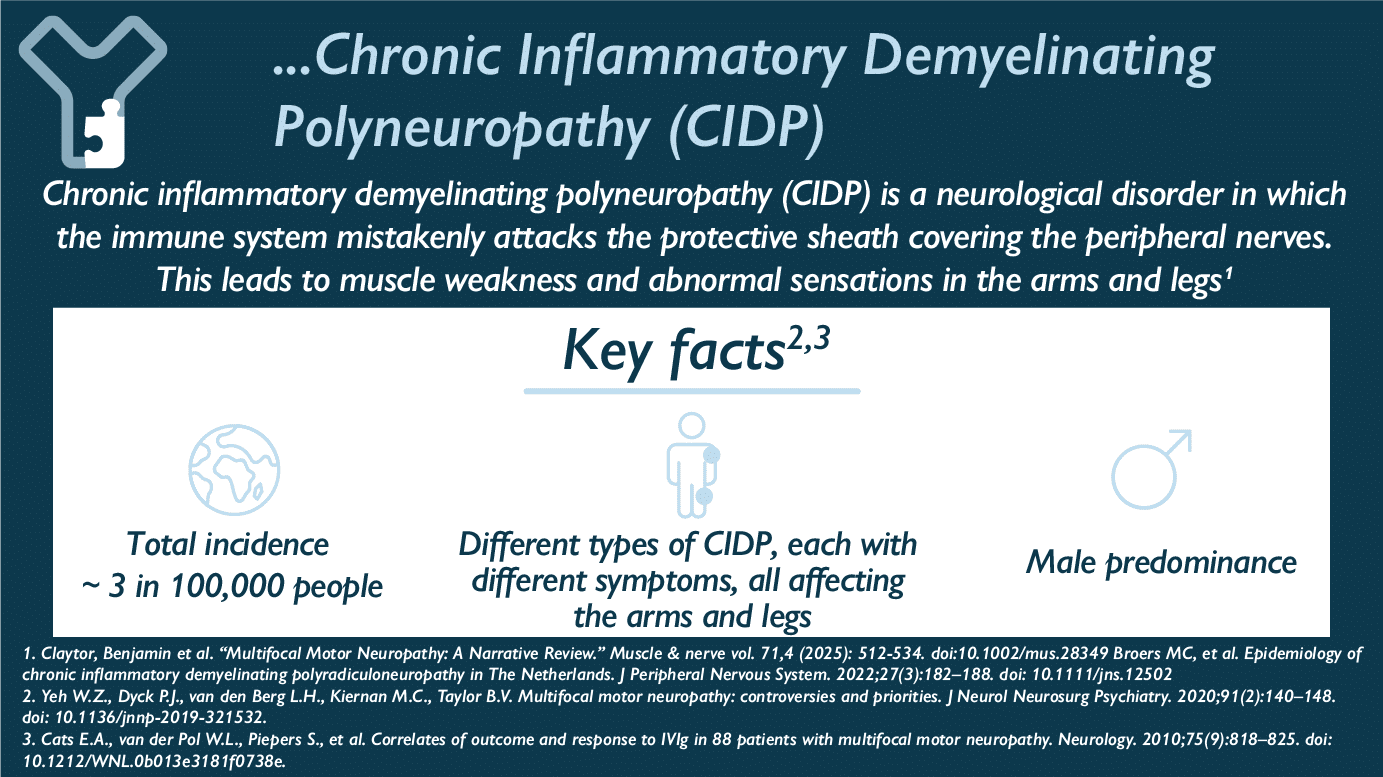
Chronic Inflammatory Demyelinating Polyneuropathy Chronic inflammatory demyelinating polyneuropathy (CIDP) is a neurological disorder in which the immune system mistakenly attacks the protective sheath covering the peripheral nerves. This leads to muscle weakness and abnormal sensations in the arms and legs. Key Facts : - Total incidence ~ 3 in 100,000 people - Different types of CIDP, each with different symptoms, all affecting the arms and legs - Male predominance
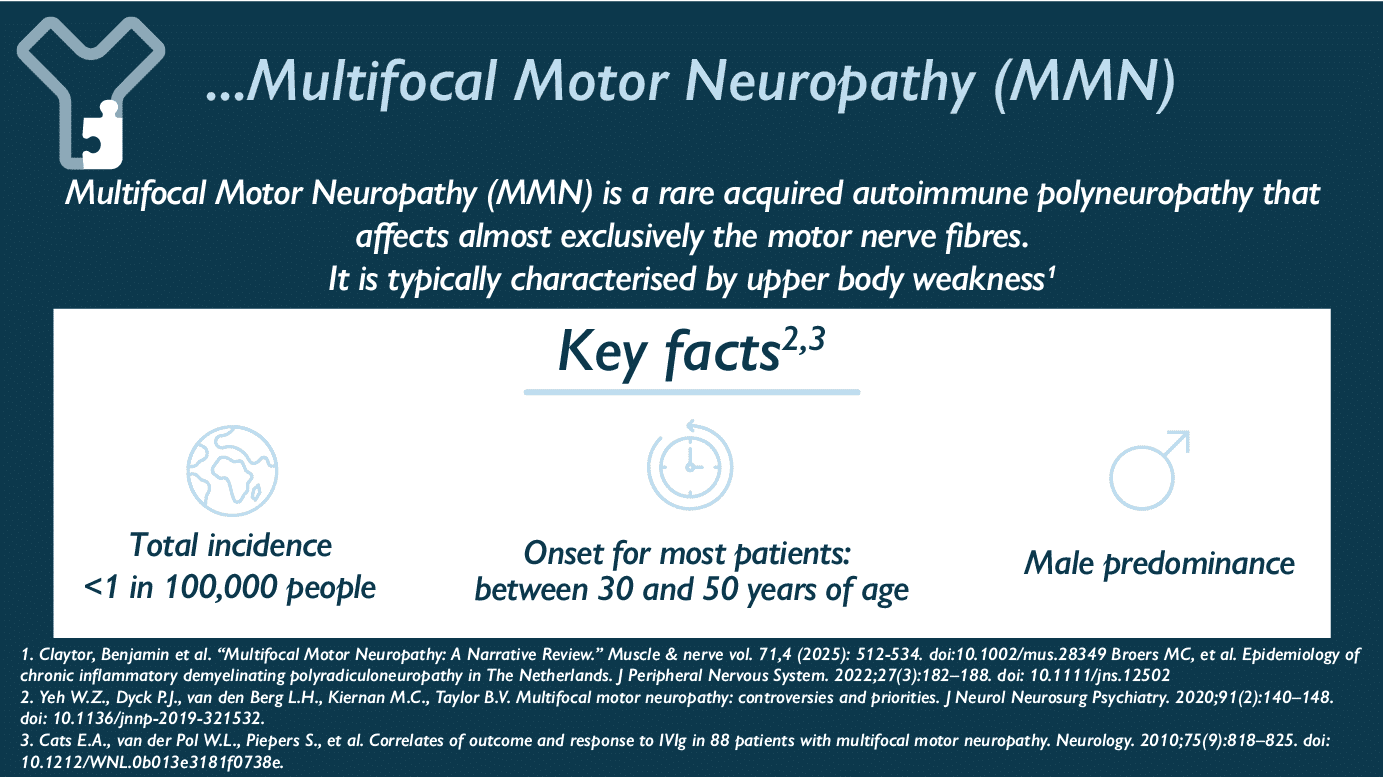
Multifocal Motor Neuropathy (MMN) Multifocal Motor Neuropathy (MMN) is a rare acquired autoimmune polyneuropathy that affects almost exclusively the motor nerve fibres. It is typically characterised by upper body weakness. Key Facts : - Total incidence is